Recently in E-Waste & Recycling Category

ecoATMWhoo-hoo! The lower-case "eco," capitalized everything else trend is finally taking off!

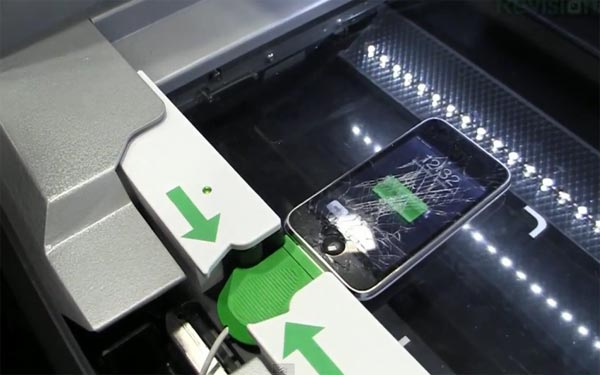
This ecoATM takes your old cell and gives you store credit for your troubles. Simple! The first ecoATM went to a furniture store in Omaha and things appear to be going great so far. According to the Twitter stream of Eric Rosser (@ecoATM), the outfit's VP of Sales and Marketing, the machine bought back over $100 in phones on its second day, including a "perfect" BlackBerry Curve. Not so perfect to the previous owner, apparently...

This CrunchGear post has more info.

[via Gizmodo]

The EPA estimates that out of the 2.25 million tons of electronic waste generated by the U.S. each year, only 18 percent (405,000 tons) of it is collected for recycling. I discovered the statistic in this Treehugger story about e-waste, which paints a very troubling picture of what poor handling of e-waste is doing to developing nations (the 60 Minutes video helps).

But it's not all doom and gloom. Just by reading this post, you're going to at least think again before tossing that old cellphone into the trash, aren't you? Failing that, companies like WM Recycle America are taking steps to make sure that every bit of electronics they collect is responsibly recycled.

And it could pay off.  Although recycling electronics isn't cheap, there's $15,000 worth of metals in a metric ton of used cellphones waiting for enterprising folks that are willing to find economical and ecologically-friendly ways to extract it.

Windows 7 Packaging

While reading up on Windows 7 RTM rumors (update: not yet, but close), I came across this Windows 7 Team Blog post from a couple of weeks ago. Those of you picking up a copy will notice that Microsoft is carrying on with the general box design they rocked with Vista. This time, however, there's less packaging to recycle.

The new Windows 7 box is easier to open; weighs 37 percent less; and includes just the disc, a getting started pamphlet and an insert. And, it's recyclable, of course.

But here's a green (non-)packaging tip for you Microsoft: Digital distribution!

Savvy users have already downloaded the beta, RC1, and countless "leaked" builds and burned them onto DVDs. Keep the momentum going by saving them a trip to the store or a visit from the UPS/Fedex guy. Why should MSDN/TechNet subscribers get all the love?

Do it Microsoft!

A shot of the new box open, complete with Microsoft hand model, awaits below.

Windows 7 Packaging - Open
Roomba Scooba - ewasteShock and dismay.

iRobot, the company behind the geek- and cat-friendly Roomba family of robotic vacuum cleaners is dispensing some terribly outmoded waste disposal advice. After receiving a non-functioning refurbished Roomba Scooba, iRobot quickly mobilized to send Graham Hill of TreeHugger fame a new one.

+1 for customer service!

But things turned decidedly eco-unfriendly--bordering on eco-hostile--when iRobot instructed him to just toss out the old one and let the garbage men deal with it. ONE MILLION DKP MINUS!!!1!!!

Catch up on the saga over at Treehugger.

As a nation, we love our TVs. So much so that we're keeping nearly 100 million of old, likely CRT-based relics collecting dust. The New York Times reports:

The Environmental Protection Agency estimates 99.1 million televisions sit unused in closets and basements across the country. Consumer response to recycling has been enormous in states where the laws have taken effect. Collection points in Washington State, for example, have been swamped by people like Babs Smith, 55, who recently drove to RE-PC, a designated electronics collection and repurposing center on the southern edge of Seattle.

The good news is that some electronics recycling centers can barely keep up with the influx of old electronics. The bad news, as the Times piece points out, is that local governments, electronics makers, consumers and even inmates are getting caught in a sad patchwork of programs and state regulations that still don't completely address the safe disposal of electronics.

You've probably seen pictures or footage of people in emerging countries, many of them very young, mired in toxic compounds as they scavenge for useful materials from mountains of e-waste that's shipped from the U.S. and other wealthy nations. To help combat this, recycling programs have sprouted up and firms are participating in responsible disposal methods like reuse.

Giving your old PC new life sounds great, right? Gartner's Meike Escherich isn't convinced...

"Although reuse must be considered preferable to most other forms of waste management, without effective controls, exports for reuse can be an excuse for dumping, and, even in the best case, result in 'passing the toxic buck' to emerging economies, which are seldom equipped to deal with this problem in an environmentally and socially responsible way," said Meike Escherich, principal research analyst at Gartner.

The problem is that these refurbished PCs, which are very much in demand in these countries, will eventually fail or become obsolete. When that happens, the landfill-bound equipment ends up leeching toxins in a country or region that's ill-equipped to recycle electronics.

In short, our problem still becomes someone else's.

Source: SiliconRepublic.com

Computer manufacturers are starting to make it easy to recycle your retired computers and peripherals. It will take a little extra work on your part, but it's worth it wouldn't you say?

So stop piling your old equipment in a bin in the alley or stacking it on the curb. They'll end up in landfills or shipped to other countries where they'll foul up the environment for years to come. Plus if you play your cards right and you're disposing of computers of a relatively modern vintage, there's the possibility of earning some cash back.

But before you responsibly recycle your old gear, take some precautions like completely wiping those hard drives. I don't mean to imply that these services are shady, but you just can't account for everyone that may come in contact with your old stuff once it leaves your hands. Most asset recovery programs will certify that the data on your drives has been wiped, but this is a step you'll want to do in-house, especially if they stored any sort of confidential, proprietary, personal or customer data at any time.

Listed below are the computer recycling programs for the major IT brands you're likely to be using at your office and/or home. Let's start with the undisputed industry leader in this regard, Dell.

Dell

Dell offers free recycling to Home, Home Office, and Small Business Customers for Dell branded equipment. What if you don't have a Dell system? If you happen to be shopping for a new Dell system and make a purchase, they'll recycle your old PC and monitor regardless of brand for free.

If you're a large business, things are a bit more complicated but not unmanageable. This requires you to interact with your Dell rep as part of their Asset Recovery service. They'll help you resell your old servers and guarantee that the drives on those units have been scrubbed. If there's no value in hardware, Dell will recycle them.

HP

HP will see to it that your old equipment gets a new life or a recycled afterlife via a couple of programs and trade-in/up partnerships. For instance, recycling HP ink and toner cartridges is free.

HP also offers free consumer recycling for HP and Compaq branded machines. It will require that you embark on a slightly intimidating clickfest but you will emerge from it with nothing to pay out of pocket provided that you're indeed recycling those HP and Compaq relics.

IBM

Business clients (the vast majority of you) are better off contacting their rep for info on IBM's asset recovery programs. You'll find that they can help tailor an arrangement that will help you properly and security dispose of your old IT gear along with the possibility of recapturing a sliver of that initial investment.

Individuals have a tougher time of it, but that's to be expected when you have an International Business Machine in your possession. Though they have a partnership with the UPS Store, some states don't require manufacturers to take-back their electronics at end-of-life. And while their website offers direct links to the relevant guidelines by state, there's precious little else to be gained.

Dell LogoNow 18 states are covered! Heather Clancy of GreenTech Pastures reports:
Dell and Goodwill Industries have expanded the scope of their consumer technology recycling program (called Reconnect) to cover Colorado, Illinois, Indiana, Missouri, New Mexico, Oklahoma and West Virginia.

Visit the Reconnect website to find the nearest recycling center near you.

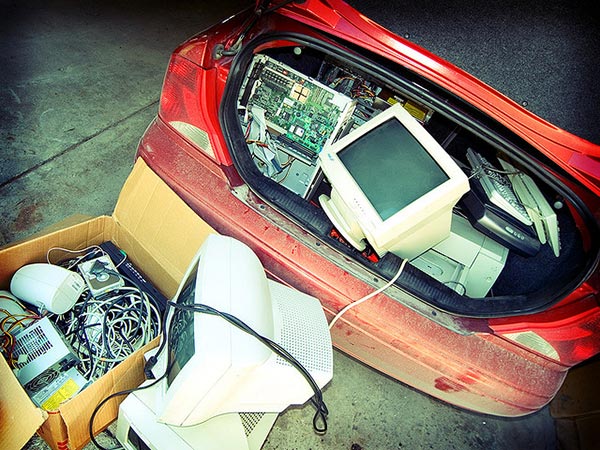
If you're any kind of computer geek, there's a good chance that you've got tons of non-working spare parts occupying a couple of boxes in your closet or basement. Heck, you probably have whole PCs that can't crunch a single number.

Isn't it about time to recycle them?

Nathan Kirsch of Legit Reviews shows us how easy it is to seek out a local recycling facility that will accept your old electronics.

Still looking for a better solution here in St. Louis Missouri I ran across a site called e-cycle St. Louis that lists local recycling centers. The site listed 11 recycling centers in the St. Louis area that are said to accept most items at no charge. A couple of items, such as computer monitors and TVs, may include a $5 fee. This fee is said to be necessary to help cover the safe and appropriate method of breaking down these items for recycling. One of the recycling centers was fairly close to where I live, so recycling is not much more work than throwing something away.

You might have to part with a few bucks, but think of all the storage space you reclaim and the good you're doing the environment. Definitely worth it.

A Dozen Things the Smart Grid Can Learn from the Internet - Earth2Tech

Security & Encryption: The smart grid community needs to publish detailed specifications for different levels of security and encryption standards. For secure communication purposes, the Internet leveraged data encryption standards, including variants of Digital Encryption Standard (DES) as endorsed by the National Institute of Science & Technology (NIST). To ensure secure user authentication and data integrity, techniques like digital signatures and the network authentication protocol Kerberos were also created.

Byte Me: The greening of computers - The Scene Newspaper

First, you should know that the piece of equipment that supplies power to your computer is called the power supply. Okay, that part is easy. If you're in the market for an energy efficient computer, you're going to want to be sure to get one that has an 80 Plus Certified power supply. 80 Plus Certification is an electric utility-funded program to promote energy efficient power supplies for desktop computers and servers.

Linux thin client tutorial pushes green benefits - LinuxDevices.com

Osier-Mixon, who is a technical writer for MontaVista Software, defines cloud computing as "the use of resources accessed over the Internet," typically using clients of limited capability. This is essentially the same concept as traditional client-server computing over a LAN using dumb terminals, he explains, but it has been transformed with ample bandwidth and much more compelling, multimedia rich clients and services. In short, "Terminals are no longer dumb, and clients are no longer very thin," he writes.

Doyenz Unravels Mysteries of Cloud Computing - Emerging Vendors Blog - ChannelWeb

The company's Automated Virtual IT platform was designed to help small businesses take advantage of cloud computing. Tiwary called it a hybrid solution that uses virtualization and cloud services to automate the delivery and management of IT infrastructure.

Recycled laptop bag from RedCamper - Great Green Goods

RedCamper Recycled Laptop Bag

Archives